Real Estate in Estate Planning Strategies.
Real estate is a key component of many estate plans due to its significant value, potential for appreciation, and the various strategies available for transferring ownership efficiently. Here’s how real estate fits into broader estate planning strategies:
1. Avoiding Probate
Revocable Living Trusts: Holding real estate in a trust allows it to pass directly to beneficiaries without probate, saving time and costs.
Joint Ownership: Adding a co-owner (e.g., joint tenancy with right of survivorship) can automatically transfer property upon death.
Transfer-on-Death Deeds (TODDs): Available in some states, these allow the property to pass directly to named beneficiaries.
2. Minimizing Estate Taxes
Annual Gift Exclusions: Gifting partial ownership (up to $18,000 per recipient in 2024) reduces the taxable estate.
Lifetime Exemption: Using the federal estate tax exemption ($13.61M per individual in 2024) to transfer property tax-free.
QLTs & GRATs: Qualified Personal Residence Trusts (QLRTs) and Grantor Retained Annuity Trusts (GRATs) can reduce taxable value while retaining the use of the property.
3. Protecting Assets from Creditors & Long-Term Care Costs
Irrevocable Trusts: Moving real estate into an irrevocable trust can shield it from Medicaid recovery and creditors.
LLCs & Family Limited Partnerships (FLPs): Holding property in these entities can provide liability protection and facilitate gifting of fractional interests at discounted values.
4. Ensuring Smooth Succession & Family Harmony
Buy-Sell Agreements: Useful for co-owned investment properties to dictate terms if an owner dies.
Life Estates: Allows the original owner to live in the property while passing ownership to heirs.
Detailed Instructions in Wills/Trusts: Prevents disputes by clearly outlining who inherits the property and under what conditions.
5. Charitable Planning
Donating Property: Can provide income tax deductions and remove the asset from the taxable estate.
Charitable Remainder Trusts (CRTs): Allows the donor to receive income from the property before it goes to charity.
6. Step-Up in Basis Benefit
Inherited real estate receives a step-up in basis to its fair market value at death, reducing capital gains taxes if sold by heirs.
Key Considerations
State Laws: Vary widely (e.g., community property states vs. common law).
Mortgages & Liens: Transferring mortgaged property can trigger due-on-sale clauses.
Family Dynamics: Unequal distributions of real estate can lead to conflicts.
Real estate should be integrated into an estate plan with tax efficiency, probate avoidance, and family goals in mind. Consulting an estate planning attorney and tax professional is crucial to tailor strategies to individual circumstances. Visit www.epcasabyowner.com and find your dream home in El Paso, TX.
El Paso, TX Homes For Sale
El Paso, TX Real Estate News & Market Trends
You’ll find our blog to be a wealth of information, covering everything from local El Paso, TX Real Estate market statistics and home values to community happenings. That’s because we care about the El Paso community and want to help you find your place in it by searching homes for sale in El Paso, TX and surrounding area. Please reach out if you have any questions at all. We’d love to talk with you!
https://www.simplifyingthemarket.com/en/feed?a=1000036167-323fd8ebb741ba20bf1b1485589ba2f4
Real Estate in Estate Planning Strategies
The Impact of Zoning Laws on Property Values
Zoning regulations play a crucial role in determining a property’s potential by dictating how land can be used, what can be built, and even its future value. Here’s how zoning laws can impact a property:
1. Restrictions on Land Use
Zoning divides areas into categories (residential, commercial, industrial, mixed-use, agricultural, etc.), which can:
· Limit Development Options: A property zoned residential-only can’t be converted into a retail store or factory without rezoning.
· Affect Investment Potential: A commercial-zoned lot may have higher value than a residential one due to income-generating potential (e.g., building a hotel vs. a single-family home).
· Prohibit Certain Activities: Even if a buyer wants to run a business from home, local zoning may forbid it.
2. Density & Building Requirements
Zoning laws regulate:
· Lot Size & Setbacks: How far a building must be from property lines.
· Height Limits: Restricting high-rises in low-density zones.
· Floor Area Ratio (FAR): The max buildable square footage relative to lot size.
· Parking Mandates: Requiring a certain number of parking spaces per unit.
Impact: These rules can make a property more (or less) lucrative. For example:
· A low-density zone may prevent a developer from building a high-profit apartment complex.
· A high FAR allowance could increase a property’s value for developers.
3. Impact on Property Value
· Upzoning (Increasing Density): If a city rezones an area from single-family to multi-family, land values often soar because developers can build more units.
· Downzoning (Restricting Use): If a residential area is rezoned to limit density, property values might stagnate due to reduced development potential.
· Historic Districts: Strict preservation rules can limit renovations but may increase prestige (and value) for certain buyers.
4. Delays & Costs of Rezoning
· Rezoning Applications: Property owners can petition to change zoning, but the process is often lengthy, expensive, and uncertain.
· Community Opposition: Neighbors may block rezoning efforts (e.g., "NIMBYism" against apartment buildings).
· Conditional Use Permits: Even if a use is technically allowed, additional approvals (e.g., for a daycare in a residential zone) add hurdles.
5. Future Development & Neighborhood Trends
· Zoning Changes Signal Growth: Areas rezoned for mixed-use or transit-oriented development (TOD) often attract investors.
· Infrastructure Plans: Zoning aligned with new highways, schools, or public transit can boost long-term value.
· Environmental Zoning: Wetland or floodplain restrictions can render land unusable for development.
6. Legal & Financial Risks
· Non-Conforming Uses: If a property’s existing use no longer complies with new zoning (e.g., a store in a newly residential zone), it may be "grandfathered" but lose value if redevelopment is restricted.
· Variances & Special Exceptions: These workarounds are time-consuming and not guaranteed.
Examples in Practice
✅ Positive: A vacant lot zoned for high-density mixed-use near a new subway line becomes a goldmine for developers.
❌ Negative: A homeowner wanting to subdivide a large lot finds it’s zoned for a minimum of 1-acre parcels, killing their profit plans.
How to Research Zoning for a Property
1. Check the local zoning map (usually on the city/county website).
2. Review the zoning code for allowed uses, setbacks, height limits, etc.
3. Consult a real estate attorney or land-use expert for rezoning feasibility.
4. Look for pending zoning changes in city council meetings or master plans.
Zoning can make or break a property’s potential. Savvy investors always verify zoning before purchasing to avoid surprises. Visit www.epcasabyowner and find your dream home in El Paso, TX.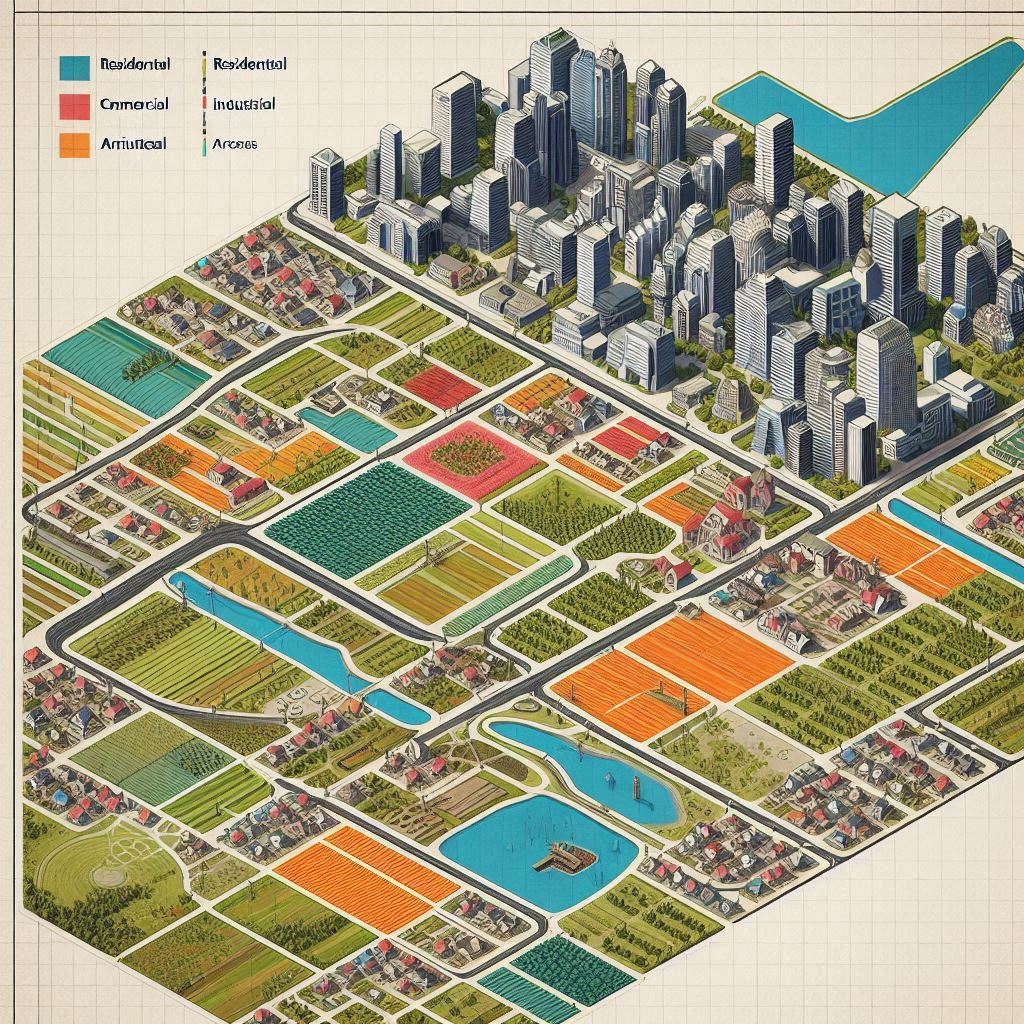
Legal Strategies for Real Estate Tax Minimization
Legal Strategies for Real Estate Tax Minimization.
Minimizing taxes on real estate investments legally involves strategic planning and taking advantage of tax laws. Here are some effective strategies:
1. Take Advantage of Depreciation
-
Cost Segregation Studies: Accelerate depreciation by breaking down property components (e.g., appliances, flooring) to shorten their depreciation schedules (5, 7, or 15 years instead of 27.5 or 39 years).
-
Bonus Depreciation: Under IRS Section 168(k), deduct a percentage of qualifying property costs in the first year.
2. Use 1031 Exchanges (Like-Kind Exchanges)
-
Defer capital gains taxes by reinvesting proceeds from a property sale into a similar ("like-kind") investment property within 180 days.
3. Invest in Opportunity Zones
-
Tax Deferral: Defer capital gains by investing in Qualified Opportunity Funds (QOFs).
-
Tax Reduction: Hold for 5+ years to reduce deferred gains by 10%, and hold for 10+ years to eliminate capital gains on the new investment.
4. Maximize Deductions
-
Mortgage Interest: Deduct interest on loans used to acquire or improve rental properties.
-
Operating Expenses: Deduct repairs, maintenance, property taxes, insurance, and property management fees.
-
Travel Expenses: Deduct costs related to property visits (mileage, flights, lodging).
5. Utilize Pass-Through Deductions (Section 199A)
-
If structured as an LLC or S-Corp, you may qualify for a 20% deduction on qualified business income (QBI).
6. Hold Properties Long-Term for Lower Capital Gains
-
Properties held over 1 year qualify for long-term capital gains rates (0%, 15%, or 20%) instead of short-term (ordinary income rates).
7. Installment Sales (Seller Financing)
-
Spread taxable gains over multiple years by accepting payments over time (IRS Section 453).
8. Self-Directed IRAs or Solo 401(k)s
-
Invest in real estate through retirement accounts to defer or eliminate taxes on rental income and gains.
9. Deduct Home Office & Professional Fees
-
If managing real estate as a business, deduct home office expenses, legal fees, and accounting costs.
10. Gift or Inherit Property for Stepped-Up Basis
-
Heirs receive a stepped-up basis, eliminating capital gains on appreciation before inheritance.
11. Invest in REITs (Real Estate Investment Trusts)
-
REIT dividends may qualify for a 20% pass-through deduction (Section 199A).
12. Charitable Remainder Trusts (CRTs)
-
Defer capital gains by donating property to a CRT and receiving income over time.
Important Considerations:
-
Always consult a CPA or tax attorney to ensure compliance.
-
Tax laws change (e.g., TCJA 2017 provisions may sunset in 2025), so stay updated.

Blockchain Transforming Real Estate Investment
Blockchain Transforming Real Estate Investment
(A blockchain is a decentralized, digital ledger that records transactions across many computers in a way that ensures security, transparency, and immutability (tamper-proofing).) Blockchain technology is revolutionizing real estate investment by increasing transparency, reducing costs, and improving efficiency. Here’s how:
1. Tokenization of Real Estate Assets
Fractional Ownership: Blockchain enables the division of properties into digital tokens, allowing investors to buy fractions of high-value assets with lower capital.
Increased Liquidity: Tokenized real estate can be traded on secondary markets, making it easier to buy and sell without traditional lengthy processes.
2. Smart Contracts for Automated Transactions
Self-Executing Agreements: Smart contracts automatically enforce terms (e.g., payments, transfers) when conditions are met, reducing the need for intermediaries like lawyers and escrow agents.
Faster Closings: Transactions that once took weeks can be completed in minutes with blockchain-based contracts.
3. Enhanced Transparency & Security
Immutable Records: Property titles and transaction histories stored on a blockchain are tamper-proof, reducing fraud and disputes.
Public Ledger Verification: Buyers and investors can verify ownership, liens, and historical data in real time.
4. Lower Transaction Costs
Reduced Middlemen: Eliminating brokers, notaries, and banks cuts fees significantly.
Cross-Border Investments: Blockchain facilitates global transactions without currency exchange hassles or excessive transfer fees.
5. Improved Due Diligence & Compliance
KYC/AML Automation: Blockchain can securely store and verify investor identities, streamlining regulatory compliance.
Auditable History: Every transaction is recorded, making audits simpler for tax and legal purposes.
6. Decentralized Marketplaces
Peer-to-Peer (P2P) Trading: Platforms like RealT and Propy allow direct property sales via blockchain, bypassing traditional listing services.
24/7 Global Access: Investors worldwide can participate in markets previously restricted by geography or bureaucracy.
Challenges & Considerations
Regulatory Uncertainty: Governments are still adapting laws to blockchain-based real estate.
Adoption Barriers: Traditional real estate players may resist decentralization.
Technology Risks: Smart contract bugs or security vulnerabilities could pose risks.
Future Outlook
As blockchain matures, expect more institutional adoption, standardized regulations, and hybrid models combining DeFi (Decentralized Finance) with real estate, such as mortgage lending via crypto-collateral. Visit www.epcasabyowner.com and find your dream home in El Paso, TX.
Restoring Heritage Properties.
Challenges of buying and restoring heritage properties.
Buying and restoring heritage properties can be a rewarding endeavor, but it comes with significant challenges. Here are some key issues to consider:
1. Legal and Regulatory Hurdles
Heritage Designations: Many heritage properties are protected by local or national preservation laws, restricting modifications.
Permits & Approvals: Renovations often require approval from heritage committees, leading to delays and added costs.
Restoration Standards: Strict guidelines may dictate materials and techniques, limiting modern upgrades.
2. High Costs & Financial Risks
Purchase Price: Heritage homes in prime locations can be expensive due to their historical value.
Restoration Expenses: Specialized materials (e.g., reclaimed wood, traditional masonry) and skilled craftsmen drive up costs.
Unforeseen Issues: Hidden structural problems (e.g., rot, foundation issues, outdated wiring) can escalate budgets.
3. Structural & Maintenance Challenges
Aging Infrastructure: Many heritage properties have outdated plumbing, electrical systems, or weak foundations.
Energy Inefficiency: Original single-pane windows, poor insulation, and drafty structures may require costly upgrades.
Preservation vs. Modernization: Balancing historical authenticity with modern comforts (e.g., HVAC, kitchens) can be difficult.
4. Insurance & Financing Difficulties
Higher Premiums: Insurers may charge more due to restoration risks and replacement costs of period features.
Limited Mortgage Options: Some lenders are hesitant to finance heritage properties due to their specialized nature.
5. Resale & Market Limitations
Niche Buyers: The pool of interested buyers may be smaller, affecting resale potential.
Restricted Modifications: Future owners may face the same renovation constraints, deterring some investors.
6. Emotional & Time Commitment
Lengthy Projects: Restorations can take years, requiring patience and sustained investment.
Community & Heritage Oversight: Local historical societies or neighbors may oppose changes, adding bureaucratic hurdles.
Tips for Success:
✔ Work with heritage specialists (architects, contractors).
✔ Secure financing tailored to historic properties.
✔ Research grants/tax incentives for preservation.
✔ Conduct thorough inspections before purchasing.
While restoring a heritage property can preserve history and create a unique home, it demands careful planning, deep pockets, and a passion for preservation. Visit www.epcasabyowner.com and find your El Paso, TX, home dream. 
Tiny Homes on Real Estate
Tiny Homes and Their Big Impact on Real Estate.
Tiny homes—typically defined as dwellings under 400 square feet—have grown from a niche trend into a significant movement influencing the real estate market. Their popularity stems from affordability, sustainability, and a minimalist lifestyle shift. Here’s how they’re making a significant impact:
1. Affordable Housing Solution
Lower Costs: Tiny homes cost 30,000–60,000 on average (vs. $400,000+ for traditional homes), making homeownership accessible.
Reduced Debt: Buyers avoid large mortgages, appealing to millennials, retirees, and first-time buyers.
Alternative to Rent: Many opt for tiny homes to escape rising rents, especially in expensive urban areas.
2. Changing Real Estate Demand
Smaller Footprints: Buyers prioritize efficiency over space, shifting demand away from McMansions.
Land Over Structure: Buyers may invest in land parcels for tiny homes instead of traditional homes.
ADU (Accessory Dwelling Unit) Growth: Cities now allow tiny homes as backyard rentals, boosting property values.
3. Sustainability & Minimalism Drive Popularity
Eco-Friendly Appeal: Tiny homes use fewer materials, consume less energy, and often incorporate solar power.
Downsizing Trend: The minimalist lifestyle movement reduces demand for large suburban homes.
4. Zoning & Legal Challenges
Regulatory Hurdles: Many areas have minimum square footage laws, limiting tiny home placement.
Tiny Home Communities: Some developers create legal tiny home villages, offering shared land leases.
5. Impact on Traditional Real Estate
Disrupting the Market: Tiny homes offer a low-cost alternative, pressuring developers to adapt.
Vacation & Rental Markets: Tiny homes are popular as Airbnb rentals or vacation properties.
Tiny homes reshape real estate by promoting affordability, sustainability, and flexible living. While zoning laws remain a hurdle, their influence is pushing builders, buyers, and policymakers to rethink housing norms.
Visit www.epcasabyowner.com and find your dream home in El Paso, TX.
Real Estate Nomad
What is a Real Estate Nomad?
A real estate nomad is someone who combines location independence (like a digital nomad) with real estate investing, often using rental income to fund their travels while building wealth through property.
Key Traits of a Real Estate Nomad
Lives a Mobile Lifestyle
Travels frequently (or lives abroad) but invests in real estate back home or internationally.
Earns Passive Income from Rentals
Uses cash flow from properties to fund travel instead of relying solely on freelance/work income.
Invests Remotely
Manages properties from afar using property managers, automation tools, or co-investors.
Leverages Tax & Financial Benefits
Takes advantage of deductions, depreciation, and LLC structures to optimize returns.
How Real Estate Nomads Operate
1. The "Rent & Roam" Strategy
Own rental properties in stable markets (e.g., U.S. Sunbelt) while living cheaply abroad (e.g., Mexico, Portugal).
Example: A nomad buys a duplex in Texas, rents both sides (~
2,500/month), and lives in Balion at 1,500/month.
2. House Hacking on the Go
Buy a multi-unit property, live in one unit briefly (to qualify for owner-occupied financing), then rent it out and travel.
3. Short-Term Rental Arbitrage
Lease a property (with landlord permission), furnish it, and list it on Airbnb while traveling.
Common in cities like Miami or Austin.
4. International Real Estate + Residency
Some buy property overseas to secure residency (e.g., Portugal’s Golden Visa, Thailand Elite Visa).
Pros & Cons
✅ Pros
Financial Freedom: Rental income covers travel costs.
Diversification: Real estate hedges against stock market volatility.
Tax Benefits: Write-offs for depreciation, repairs, and travel (if property-related).
❌ Cons
Management Hassles: Tenants, repairs, and time zones can be stressful.
Financing Challenges: Nomads often struggle to get mortgages (solutions: DSCR loans, cash purchases).
Liability Risks: Bad tenants or lawsuits require legal safeguards (LLCs, insurance).
Visit www.epcasabyowner.com and find the solution for your Real Estate trade in El Paso, TX.
Remote Work on Rural Real Estate
The Impact of Remote Work on Rural Real Estate.
The rise of remote work has significantly impacted rural real estate markets, leading to several key trends and changes:
1. Increased Demand for Rural Properties
More professionals are moving away from expensive urban centers in favor of larger, more affordable homes in rural areas.
Buyers prioritize properties with home offices, high-speed internet, and outdoor space.
Popular destinations include mountain towns, coastal areas, and small farming communities.
2. Rising Home Prices & Competition
Rural areas that were once overlooked are now experiencing price surges due to increased demand.
Bidding wars and low inventory have become common in desirable rural markets.
Some areas face affordability challenges as local wages may not keep up with rising prices.
3. Revival of Small-Town Economies
Remote workers bring new income and spending to rural communities, boosting local businesses.
Some towns invest in co-working spaces, broadband infrastructure, and amenities to attract remote workers.
However, gentrification concerns arise as long-time residents may be priced out.
4. Shift in Commercial Real Estate
The decline in urban office space demand contrasts with the growth in rural co-working hubs.
Some rural areas see conversions of old buildings (barns, schools) into offices or short-term rentals.
5. Challenges for Rural Markets
Limited infrastructure (internet, healthcare, schools) can deter remote workers.
Zoning and housing shortages may slow growth in some areas.
Seasonal fluctuations occur in vacation-heavy regions where remote workers buy second homes.
Long-Term Outlook
If remote work remains widespread, rural real estate could see sustained growth.
However, if companies enforce return-to-office policies, some demand may reverse.
Rural towns that invest in broadband, housing, and services will likely thrive.
Remote work has transformed rural real estate, driving up demand, prices, and economic activity in many areas. While this trend benefits buyers seeking affordability and sellers cashing in on higher values, it also brings challenges like housing shortages and gentrification. The long-term impact depends on the permanence of remote work and rural infrastructure development.
Visit www.epcasabyowner.com and find your dream home in El Paso, TX.
Climate-Resilient Real Estate
Investing in Climate-Resilient Real Estate Opportunities.
Investing in climate-resilient real estate is becoming increasingly important as climate change intensifies risks like flooding, wildfires, hurricanes, and extreme heat. Cities that prioritize resilience, sustainability, and adaptive infrastructure offer strong long-term investment opportunities. Here’s a breakdown of the key aspects:
1. What Makes a City Climate-Resilient?
Climate-resilient cities typically have:
Strong infrastructure (flood barriers, stormwater management, wildfire mitigation).
Proactive urban planning (zoning laws that restrict high-risk development).
Renewable energy adoption (solar, wind, and grid resilience).
Water conservation & management (drought-resistant policies).
Green building codes (energy efficiency, elevated construction in flood zones).
2. Top Locations for Climate-Resilient Real Estate
Some cities are better positioned due to geography, policy, and investment in adaptation:
U.S.:
Minneapolis, MN (low climate risk, strong infrastructure).
Denver, CO (elevation protects from sea-level rise, proactive water policies).
Portland, OR (sustainable urban planning, low wildfire risk).
Buffalo, NY (cool climate, freshwater access, resilient infrastructure).
Chicago, IL (climate-adaptive policies, strong economy).
International:
Toronto, Canada (stable climate, strong infrastructure).
Rotterdam, Netherlands (flood-resistant architecture).
Singapore (advanced climate adaptation tech).
Melbourne, Australia (water management strategies).
3. Types of Climate-Resilient Real Estate Investments
Elevated & Flood-Proof Housing (e.g., stilt homes in coastal areas).
Energy-Efficient Buildings (LEED-certified, solar-powered homes).
Inland & Higher-Ground Properties (away from floodplains and coastlines).
Mixed-Use Developments (walkable communities reduce emissions).
Water-Secure Properties (in regions with stable freshwater supply).
4. Risks to Avoid
Coastal & Low-Lying Properties (Miami, Houston, New Orleans).
Wildfire-Prone Areas (parts of California, Australia, and Mediterranean regions).
Drought-Stricken Regions (Southwestern U.S., North Africa).
Cities with Weak Infrastructure (poor drainage, outdated building codes).
5. Future Trends
Government Incentives: Tax breaks for resilient construction.
Insurance Shifts: Rising premiums in high-risk areas may push demand to safer zones.
Tech Integration: Smart homes with climate adaptation features.
Investing in climate-resilient cities reduces long-term risk while aligning with sustainability trends. Focus on cities with strong infrastructure, smart policies, and lower exposure to extreme weather. Visit www.epcasabyowner.com and find your dream home in El Paso, TX.
Co Living spaces
The trend of co-living is gaining significant traction, particularly in urban areas, and is reshaping the real estate landscape in several ways. Co-living refers to a modern form of shared housing where residents, often strangers, live together in a community-oriented environment. This trend is driven by changing lifestyles, economic factors, and the desire for more flexible living arrangements. Here’s a deeper look at how co-living is influencing urban real estate:
What is Co-Living?
Co-living spaces are designed to offer private bedrooms or micro-apartments with shared common areas such as kitchens, living rooms, workspaces, and sometimes even amenities like gyms, rooftop terraces, or co-working spaces. These spaces are often fully furnished and come with utilities, Wi-Fi, and cleaning services included in the rent. Companies like Common, WeLive, and The Collective are leading the charge in this space.
Key Drivers of the Co-Living Trend
Urbanization and Rising Housing Costs:
In many cities, skyrocketing housing prices and rents have made traditional living arrangements unaffordable for young professionals, students, and freelancers.
Co-living offers a more affordable alternative by splitting costs among multiple residents.
Changing Demographics:
Millennials and Gen Z, who value experiences over ownership, are more open to shared living arrangements.
The rise of remote work and the gig economy has created a more transient population that values flexibility.
Desire for Community:
In an increasingly digital world, many people crave meaningful connections and a sense of community.
Co-living spaces often host events and activities to foster social interaction among residents.
Convenience and Flexibility:
Co-living spaces are typically move-in ready, with short-term leases and all-inclusive pricing, making them ideal for people who value convenience and flexibility.
Sustainability:
Shared living reduces the environmental footprint per person by optimizing space and resources, aligning with the growing demand for sustainable living options.
Co-living is more than just a housing trend; it’s a reflection of broader societal shifts toward affordability, flexibility, and community. By reshaping urban real estate, co-living is addressing some of the challenges of modern city living while creating new opportunities for developers, investors, and residents alike. As the trend continues to evolve, it will likely play an increasingly important role in how we think about housing and urban development. Visit www.epcasabyowner.com and find your dream home in El Paso, TX.