You’ll find our blog to be a wealth of information, covering everything from local El Paso, TX Real Estate market statistics and home values to community happenings. That’s because we care about the El Paso community and want to help you find your place in it by searching homes for sale in El Paso, TX and surrounding area. Please reach out if you have any questions at all. We’d love to talk with you!
https://www.simplifyingthemarket.com/en/feed?a=1000036167-323fd8ebb741ba20bf1b1485589ba2f4


Minimal Social Interaction Home Buying/Selling Guide.
Buying or selling a home with minimal social interaction is possible by leveraging technology, third-party services, and strategic planning. Here’s how to do it:
Selling a Home with Minimal Social Interaction
Hire a Casa By Owner Full-Service Realtor
A Casa By Owner realtor can handle showings, negotiations, and paperwork on your behalf.
Specify that you prefer virtual communication (email, text, or video calls).
Use a Digital Platform or iBuyer
You submit details online, get an offer, and close remotely.
Virtual Tours & Self-Showings
Use a smart lock (e.g., August or Schlage) for buyers to tour the home alone.
Provide a 3D virtual tour to reduce in-person visits.
Electronic Signatures & Remote Closing
Sign documents digitally using DocuSign or Notarize.
Some states allow remote notarization for closing.
Limit Open Houses
Avoid traditional open houses; rely on private showings or virtual walkthroughs.
Buying a Home with Minimal Social Interaction
Work with a Buyer’s Agent
They can attend showings for you and relay feedback via video calls.
Search Online & Use Virtual Tours
Browse listings at www.epcasabyowner.com with high-quality photos/videos.
Request live video walkthroughs from the seller’s agent.
Self-Guided Tours
Casa By Owner agents offer keyless entry for solo tours (e.g., SentriLock).
Make an Offer Electronically
Submit offers via email or digital platforms.
Negotiate through your Casa By Owner agent instead of direct contact.
Remote Closing
Use e-signing and remote notarization where allowed.
Some lenders and title companies handle everything online.
Additional Tips
Title Companies & Escrow Services – Many handle transactions digitally.
Power of Attorney (POA) – If you must avoid signing in person, a trusted representative can sign for you.
Mail or Courier Services – For physical documents, use FedEx/USPS instead of in-person exchanges.
By combining digital tools, third-party services, and clear communication preferences, you can minimize face-to-face interactions while buying or selling a home. Visit www.epcasabyowner.com and find your dream home.
Subconscious Triggers for Emotional Buyer Attachment.
In real estate, subconscious triggers play a huge role in making buyers emotionally attached to a property. These subtle cues influence their perception, memory, and decision-making—often without them even realizing it. Here’s how it works:
1. Lighting – Creates Warmth & Desire
Natural Light (Big Windows, Skylights) – Makes spaces feel open, healthy, and aspirational (triggers happiness linked to sunlight).
Warm, Soft Lighting (2700K-3000K) – Used in living rooms/bedrooms to evoke coziness and a "homey" feel.
Spotlighting on Key Features – Highlights fireplaces, artwork, or architectural details to draw attention.
Candlelight or Fireplace Glow – Triggers primal comfort and romance (used in staging).
Why it works: Bright spaces feel safer, while warm lighting makes buyers imagine relaxing there.
2. Scents – Triggers Nostalgia & Comfort
Fresh-Baked Cookies/Bread – Smells like "home" and activates childhood memories.
Vanilla/Cinnamon – Warm, comforting scents that reduce stress.
Clean Linen or Citrus – Suggests cleanliness and freshness.
Wood or Leather – In luxury homes, evokes richness and sophistication.
Why it works: Smell is directly linked to memory—a pleasant scent can make a buyer subconsciously associate the house with happiness.
3. Layout & Flow – Feels "Right" Instinctively
Open Floor Plans – Feels modern, social, and spacious (triggers a sense of freedom).
"Hugging" Pathways – Curved hallways/entryways feel more inviting than sharp angles.
Clear Sightlines to Outdoor Spaces – Connects indoor/outdoor living (biophilic design).
Functional Zones – Buyers should intuitively "get" the space (e.g., a reading nook feels purposeful).
Why it works: A layout that flows naturally reduces mental friction—buyers don’t have to "imagine" how they’d live there; they feel it.
4. Colors – Influences Mood & Perception
Neutral Walls (White, Beige, Soft Gray) – Acts as a blank canvas so buyers can project their own style.
Accent Walls (Deep Blue, Sage Green, Warm Terracotta) – Adds personality without overwhelming.
White Kitchens & Bathrooms – Feels clean, luxurious, and timeless.
Why it works: Neutral tones broaden appeal, while strategic colors evoke calm (blue), growth (green), or warmth (earth tones).
5. Sounds – Enhances Emotional Atmosphere
Soft Jazz or Classical Music – Makes a home feel elegant and serene.
Nature Sounds (Birds, Water Features) – Suggests tranquility (used in backyards/open houses).
Silence in Bedrooms – Feels like a retreat (no noise pollution).
Why it works: Sound affects emotional pacing—slow music makes buyers linger, while silence lets them "hear" themselves living there.
6. Tactile & Textural Triggers – Feels "Luxurious"
Plush Rugs and Throw Blankets – Make buyers want to touch and stay.
Smooth Countertops (Marble, Quartz) – Signals quality.
Wood Grain & Natural Materials – Feels organic and premium.
Why it works: Texture subconsciously signals comfort and value—buyers equate softness with coziness and smoothness with luxury.
7. Staging & "Lived-In" Touches – Tells a Story
Set Dining Tables – Suggest family gatherings.
Fresh Flowers or a Bowl of Fruit – Adds life and vibrancy.
Books on Shelves, Art on Walls – Makes the home feel personal (but not too personal).
Why it works: Buyers don’t buy a house—they buy a future. Staging helps them visualize their life there.
8. Outdoor & Curb Appeal – First Impressions Matter
Manicured Lawn & Flowers – Signals care and pride of ownership.
A Welcoming Front Door (Red, Blue, Black) – Draws attention and feels inviting.
Porch Seating (Rocking Chairs, Swing) – Triggers fantasies of relaxation.
Why it works: The brain decides within seconds if it "likes" a home—great curb appeal sets a positive emotional tone.
Buyers make decisions based on emotion and then justify them with logic. By engaging multiple senses (sight, smell, touch, sound), you create a visceral connection that makes them think:
"This feels like home."
Visit www.epcasabyowner.com and find your dream home.
Property Development's Role in Urban Heat Islands.
Property development plays a significant role in both contributing to and mitigating urban heat islands (UHIs), where urban areas experience higher temperatures than surrounding rural regions. Here’s how:
How Property Development Can Contribute to UHIs:
Increased Impervious Surfaces – Large areas of concrete, asphalt, and rooftops absorb and re-emit heat, raising local temperatures.
Deforestation & Loss of Green Space – Clearing vegetation for development reduces shade and evapotranspiration, which naturally cools the air.
Dark-Colored Materials – Using heat-absorbing materials (e.g., black roofs, and dark pavements) increases thermal retention.
High-Density Buildings – Tightly packed structures trap heat and reduce airflow, creating "urban canyons" that limit cooling.
Waste Heat from Buildings & Vehicles – Poorly designed HVAC systems and increased traffic add anthropogenic heat.
How Property Development Can Mitigate UHIs:
Green Roofs & Walls – Vegetated roofs and walls provide insulation, reduce heat absorption, and enhance evapotranspiration.
Cool Roofs & Reflective Pavements – Light-colored or reflective materials (e.g., white roofs, permeable pavements) reduce heat absorption.
Urban Greenery & Parks – Incorporating trees, green spaces, and urban forests provides shade and cooling through evapotranspiration.
Water Features – Ponds, fountains, and wetlands help cool the air through evaporation.
Sustainable Urban Design –
Mixed-use development reduces car dependency, lowering waste heat.
Building Orientation & Ventilation allows natural airflow to disperse heat.
Permeable Surfaces (e.g., porous pavements) reduce runoff and heat retention.
Energy-Efficient Buildings – Better insulation, smart glass, and passive cooling reduce heat emissions from HVAC systems.
District Cooling Systems – Centralized cooling systems improve efficiency and reduce localized heat.
Property development can either worsen UHIs through poor planning and heat-trapping materials or mitigate them through sustainable design, green infrastructure, and smart urban policies. Cities like Singapore (with its "Garden City" approach) and Copenhagen (with green roofs) demonstrate how intentional development can combat urban heating.
Visit www.epcasabyowner.com and find your dream home in El Paso, TX.


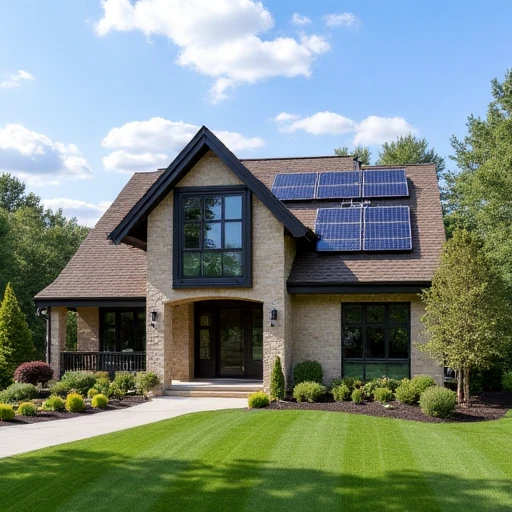
Renewable energy installations, such as solar panels, wind turbines, and geothermal systems, can influence property values and ownership in several ways. Here’s a breakdown of the key effects:
Increased Market Value: Homes with solar panels or other renewable energy systems often sell for more than comparable properties without them. Studies (e.g., from the U.S. Department of Energy’s Lawrence Berkeley Lab) suggest solar panels can increase home values by 3-4% on average, depending on the local market.
Energy Cost Savings: Buyers may pay a premium for homes with lower utility bills due to renewable energy systems.
Appeal to Eco-Conscious Buyers: Properties with green energy features attract environmentally minded buyers, potentially speeding up sales.
Aesthetic Concerns: Some buyers may dislike the look of solar panels or wind turbines, though this is becoming less common as renewables gain acceptance.
Wind Turbine Proximity: Large-scale wind farms near residential areas can sometimes reduce property values due to noise, shadow flicker, or visual impact, though studies show mixed results.
Leased vs. Owned Systems: If solar panels are leased (rather than owned outright), transfer complications could deter buyers unless the lease terms are favorable.
Easements & Land Leases: Large renewable projects (e.g., solar or wind farms) may involve leasing part of a property, which can provide steady income but may restrict land use.
HOA & Zoning Restrictions: Some homeowners' associations (HOAs) or local governments have rules on solar panel placement, potentially limiting installations.
Maintenance & Long-Term Costs: While renewable systems generally require little upkeep, buyers may consider replacement costs (e.g., solar inverters every 10-15 years).
Federal/State Incentives: Tax credits (e.g., the U.S. federal solar tax credit) can offset installation costs, indirectly boosting property value.
Green Mortgages: Some lenders offer better terms for energy-efficient homes, including those with renewables.
Property Tax Exemptions: Certain states exclude the added value of solar systems from property tax assessments.
Growing Demand: As energy costs rise and climate awareness increases, renewable-equipped homes may see stronger appreciation.
Grid Independence: Properties with battery storage (e.g., Tesla Powerwall) could become even more desirable in areas prone to power outages.
Renewable energy installations generally enhance property values, especially in markets where energy efficiency is prioritized. However, the impact varies based on system type, local regulations, and buyer preferences. If you're considering an installation, consult a local real estate expert to assess market trends in your area.
Complexities of Indigenous Land Transactions.
Real estate transactions involving Indigenous lands are highly complex due to historical, legal, cultural, and political factors. These complexities vary by country but generally include the following key issues:
1. Legal Frameworks & Land Ownership Structures
Indigenous Land Rights: Many Indigenous lands are held under collective or communal ownership rather than an individual private title, making traditional real estate transactions difficult.
Government Oversight: In some cases, Indigenous lands are held in trust by the government (e.g., U.S. Bureau of Indian Affairs), requiring federal approval for sales or leases.
2. Sovereignty & Jurisdictional Issues
Tribal or Indigenous Governance: Many Indigenous communities have their own legal systems, requiring transactions to comply with both national and tribal laws.
Non-Alienability: Some Indigenous lands cannot be sold outright (e.g., U.S. tribal trust lands can only be leased, not sold).
3. Cultural & Ethical Considerations
Sacred Sites & Environmental Stewardship: Indigenous communities may oppose development threatening culturally significant land.
Free, Prior, and Informed Consent (FPIC): Under international law (UN Declaration on the Rights of Indigenous Peoples), projects often require community approval, complicating third-party investments.
Exploitation Risks: Historically, Indigenous lands have been subject to unfair deals, leading to stricter scrutiny today.
4. Financing & Economic Barriers
Difficulty Securing Mortgages: Communal ownership and legal restrictions can make it hard for Indigenous landowners to use land as collateral.
Leasehold vs. Freehold: Many transactions are lease-based deterring long-term investors.
Limited Market Liquidity: Few buyers are familiar with Indigenous land transaction rules, reducing demand.
5. Bureaucratic & Approval Processes
Multiple Stakeholders: Transactions may require approval from tribal councils, government agencies, and even courts.
Land Claims & Litigation Risks: Unresolved disputes can delay or invalidate transactions.
Environmental & Regulatory Hurdles: Indigenous lands often face additional environmental assessments.
U.S.: Tribal trust lands require BIA approval for leases, while fee-simple lands owned by tribes have fewer restrictions.
Transactions involving Indigenous lands require careful navigation of legal systems, respect for Indigenous governance, and often lengthy negotiations. Investors and buyers must engage in meaningful consultation, understand jurisdictional nuances, and be prepared for additional regulatory hurdles compared to standard real estate deals. Failure to do so can lead to legal challenges, reputational damage, or project cancellations.
Visit www.epcasabyowner.com and find your dream home in El Paso, TX.

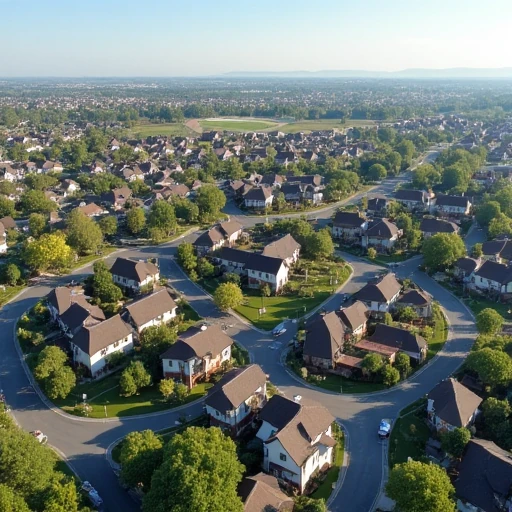
Suburban Development and Modern Real Estate Impact.
Here's a concise overview of suburban development and its impact on modern real estate:
History of Suburban Development
Early 20th Century (Pre-WWII):
Suburbs began as affluent enclaves near cities, connected by railroads and streetcars.
Examples: Levittown (NY) post-WWII, mass-produced for returning GIs.
Post-WWII Boom (1950s–1960s):
Federal policies (GI Bill, highway expansion) fueled suburban growth.
White flight, racial segregation, and zoning laws shaped demographics.
Late 20th Century (1970s–1990s):
"Edge cities" emerged with office parks and malls.
Sprawl led to car dependency and environmental concerns.
21st Century Trends:
Reurbanization: Millennials/Gen Z prefer walkable urban areas.
Suburban Revival: Remote work (post-COVID) renewed demand for larger suburban homes.
Impact on Modern Real Estate
Housing Demand: Suburbs now compete with cities for affordability and space.
Mixed-Use Development: Suburban downtowns are revitalizing with urban-style amenities.
Tech & Remote Work: Home offices and high-speed internet are key selling points.
Equity Issues: Legacy segregation and zoning debates persist (e.g., ADUs, density reforms).
Suburbs evolved from exclusive retreats to mass housing, then faced decline before rebounding as hybrid live-work hubs. Modern real estate balances sprawl with sustainability and urban-like convenience.
Visit www.epcasabyowner.com and find your dream home in El Paso, TX.
Public Art Transforms Neighborhoods, Boosts Values.
Public art installations can have a transformative impact on neighborhoods, fostering cultural vibrancy, community pride, and economic growth—often leading to increased property values. Here’s how:
1. Enhancing Aesthetic Appeal & Placemaking
Public art—murals, sculptures, interactive installations, or light displays—can turn bland or neglected spaces into visually engaging landmarks. This beautification makes neighborhoods more attractive to residents, visitors, and potential investors, increasing demand for nearby properties.
2. Creating a Sense of Identity & Community
Art that reflects local history, culture, or social themes fosters a stronger neighborhood identity. When residents feel connected to their surroundings, they’re more likely to invest in upkeep and community engagement, which indirectly boosts property desirability.
3. Driving Foot Traffic & Economic Activity
Iconic public art becomes a destination, drawing tourists and locals alike. Increased foot traffic benefits nearby businesses (cafés, shops, galleries), making the area more commercially viable. This economic uplift often leads to higher property values over time.
4. Reducing Crime & Improving Safety
Well-maintained public art can deter vandalism and crime by signaling community care and engagement. Some cities use murals and lighting installations to revitalize underused spaces, making them feel safer—a key factor in real estate appreciation.
5. Catalyzing Urban Renewal & Development
Public art often acts as a catalyst for broader revitalization efforts. Developers and city planners may use art installations to rebrand neighborhoods, attracting investment in housing, retail, and infrastructure. For example:
The "Before I Die" chalkboard walls (by Candy Chang) sparked community engagement worldwide.
Philadelphia’s Mural Arts Program transformed blighted areas into cultural hubs, increasing nearby property values.
6. Perceived Prestige & Cultural Capital
Neighborhoods with renowned public art gain cultural prestige, attracting affluent buyers and renters willing to pay a premium. A 2019 study by the Federal Reserve Bank of Philadelphia found that homes near public art saw a 4-10% increase in value compared to similar properties elsewhere.
Potential Challenges & Considerations
While public art generally benefits neighborhoods, rapid gentrification can displace long-term residents. Cities should balance art-driven development with affordable housing policies to ensure inclusive growth.
Conclusion
Public art doesn’t just decorate a neighborhood—it can redefine its economic and social trajectory. By fostering pride, attracting investment, and creating vibrant public spaces, art installations contribute to sustainable urban growth and rising property values. Visit www.epcasabyowner.com and find your dream home in El Paso, TX.