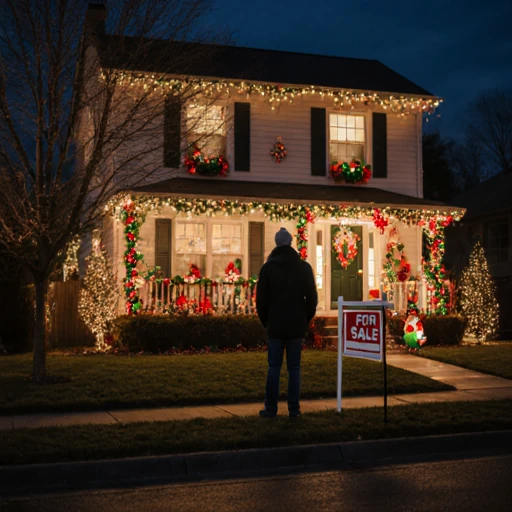
You’ll find our blog to be a wealth of information, covering everything from local El Paso, TX Real Estate market statistics and home values to community happenings. That’s because we care about the El Paso community and want to help you find your place in it by searching homes for sale in El Paso, TX and surrounding area. Please reach out if you have any questions at all. We’d love to talk with you!
https://www.simplifyingthemarket.com/en/feed?a=1000036167-323fd8ebb741ba20bf1b1485589ba2f4

The ‘Grey Gardens’ Effect: When Inheriting a Hoarder House is a Goldmine (or Nightmare?).
The “Grey Gardens Effect” takes its name from the 1975 documentary Grey Gardens, which followed Edith Bouvier Beale and her daughter (relatives of Jacqueline Kennedy Onassis) living in a once-grand East Hampton mansion that had fallen into shocking disrepair, clutter, and squalor. The film showed how a prestigious estate could transform into an infamous hoarder house—while still retaining immense real estate value because of its location and history.
Today, the term is often used to describe what happens when heirs inherit a hoarder house—a property that may be packed floor-to-ceiling with belongings, trash, or even hazardous waste. The experience can swing between windfall and nightmare depending on the circumstances.
Why it Can Be a Goldmine
Hidden Value Beneath the Clutter: The property itself (land, location, structure) can still be very valuable even if the interiors look unlivable. In expensive markets, a teardown or fixer-upper can fetch millions.
Rare Finds: Sometimes heirs discover antiques, collectibles, or forgotten family wealth inside the mess.
Investor Interest: “As-is” sales often attract flippers and developers who specialize in hoarder homes. This can bring quick cash to heirs without cleanup.
Why it Can Be a Nightmare
Cleanup Costs: Professional junk removal, biohazard cleaning, and repairs can run into tens of thousands of dollars.
Structural Damage: Long-term hoarding can cause rot, mold, pest infestations, and even unsafe foundations.
Emotional Toll: Sorting through a relative’s hoard is emotionally taxing, often forcing heirs to confront family trauma and grief.
Legal and Financial Stress: Inherited houses may come with back taxes, liens, or disputes among heirs about whether to sell or restore.
The “Grey Gardens Effect” in Modern Real Estate
Perception vs. Reality: A hoarder house may look worthless, but the land value can turn it into a goldmine if located in a desirable area.
Cultural Cachet: Sometimes, the notoriety of a “Grey Gardens”-style property even increases interest, with buyers drawn to the story as much as the house.
Boom-or-Bust Outcome: The same inheritance can set up one heir for financial success—or saddle another with overwhelming debt and stress.
In short, the Grey Gardens Effect is the paradox of inheriting a hoarder home: it might be a hidden jackpot in disguise, or it might drain you emotionally and financially. Visit www.epcasabyowner.com and find your dream home in El Paso, TX.
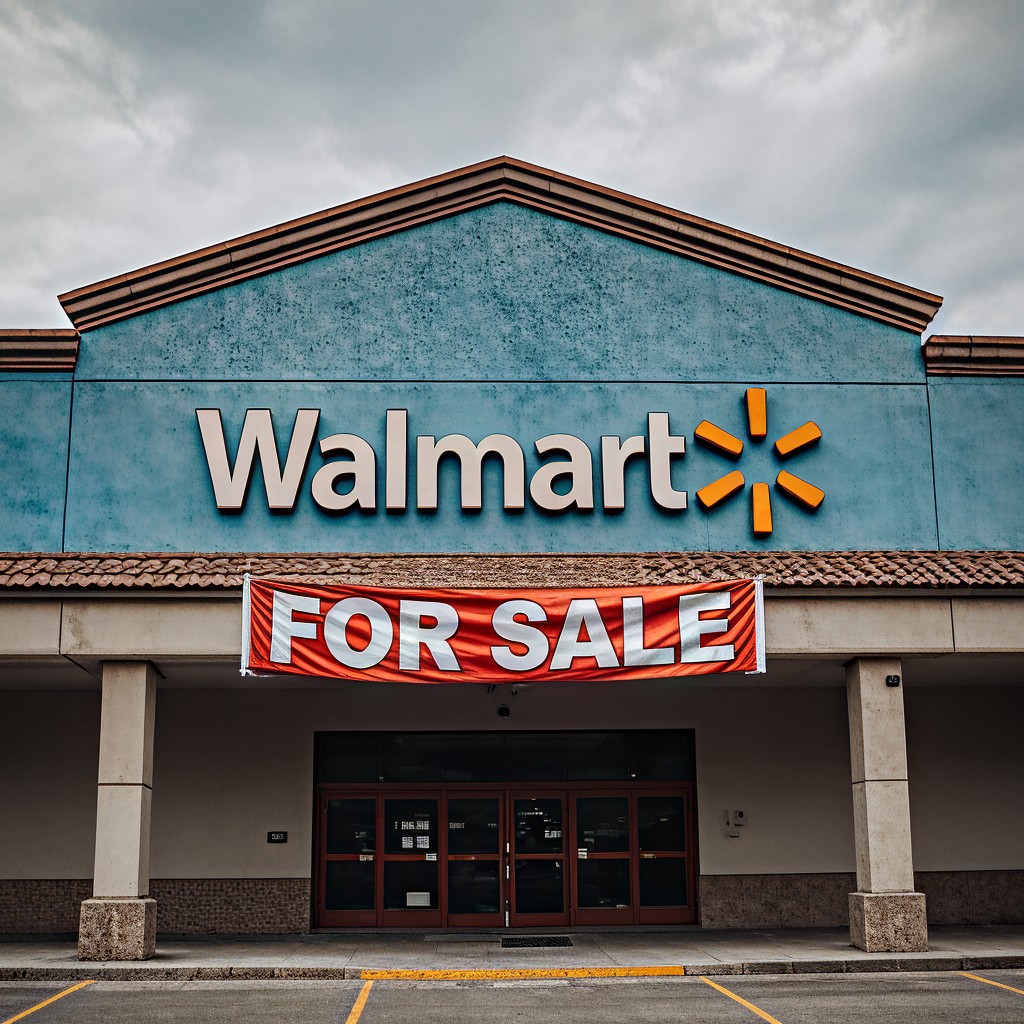


Best Locations for Doomsday Bunkers.
For doomsday preppers, choosing the right location for a bunker or off-grid living is critical for long-term survival. The ideal spot should offer security, self-sufficiency, and protection from potential disasters (natural, economic, or societal).
Key Factors for Choosing a Bunker/Off-Grid Location
1. Low Population Density – Fewer people = less competition for resources and lower risk of conflict.
2. Climate & Natural Resources – Access to water, fertile soil, and a temperate climate for farming.
3. Geopolitical Stability – Avoid areas prone to war, civil unrest, or heavy government/military presence.
4. Natural Disaster Risk – Avoid flood zones, earthquake faults, hurricane paths, and wildfire-prone areas.
5. Defensibility – Remote but strategically secure terrain (e.g., hills, forests, or hidden valleys).
6. Legal & Tax Benefits – Some states/countries have favorable laws for off-grid living (e.g., no building codes, low taxes)
Best U.S. Locations for Bunkers & Off-Grid Living
1. Rocky Mountains (Montana, Idaho, Wyoming)
• Pros: Remote, defensible terrain, abundant wildlife, freshwater sources.
• Cons: Harsh winters, limited growing season.
• Best For: Long-term isolation, security.
2. Ozark Mountains (Missouri, Arkansas)
• Pros: Low population, dense forests, caves for natural bunkers.
• Cons: Humid summers, some flood risks.
• Best For: Affordable land, hidden living.
3. Great Plains (Dakotas, Nebraska, Kansas)
• Pros: Fertile soil, low population, good for farming.
• Cons: Few natural barriers, extreme weather (tornadoes).
• Best For: Self-sufficient homesteading.
4. Appalachian Region (West Virginia, Tennessee)
• Pros: Secluded hollows, water sources, mild climate.
• Cons: Poor infrastructure in some areas.
• Best For: Low-cost survival retreats.
5. Desert Southwest (Arizona, New Mexico, West Texas)
• Pros: Underground homes (Earthships), low population.
• Cons: Extreme heat, water scarcity.
• Best For: Solar power, hidden bunkers.
6. Pacific Northwest (Eastern Washington, Oregon)
• Pros: Mild climate, abundant water, dense forests.
• Cons: High rainfall, potential volcanic activity.
• Best For: Sustainable off-grid communities.
7. Alaska (Remote Interior)
• Pros: Extreme isolation, wildlife, low government oversight.
• Cons: Extreme cold, difficult logistics.
• Best For: Ultimate bug-out location (if prepared).
The best location depends on your threat model (economic collapse, nuclear war, pandemics, etc.). Remote mountainous regions (like the Rockies or Ozarks) are top U.S. picks, while international options like New Zealand offer extra security. Always prioritize water, food, and defensibility when selecting land.
Visit www.epcasabyowner.com and find your dream home or bunker in El Paso, TX.
The Truth About ‘As-Is’ Real Estate Sales: When to Walk Away vs. When It’s a Steal.
Buying a home "as-is" means the seller won’t make any repairs, and you accept the property in its current condition—flaws and all. Some as-is deals are diamonds in the rough, while others are financial nightmares. Here’s how to tell the difference.
When an ‘As-Is’ Home Is a Steal 🏡💰
✅ 1. Priced Well Below Market Value
If the home is discounted 30%+ below comparable properties (especially in a hot market), it may be worth the risk.
Example: A $200K home needing $50K in repairs in a neighborhood where similar fixed-up homes sell for $300K.
✅ 2. Mostly Cosmetic or Minor Issues
Problems like old carpets, outdated kitchens, peeling paint, or minor plumbing fixes are relatively cheap to address.
Avoid if the issues are structural, electrical, or involve major systems (HVAC, roof, foundation).
✅ 3. Seller Allows Inspections & Disclosures
Even in an as-is sale, a thorough inspection helps you negotiate or walk away if hidden problems arise.
If the seller provides recent inspections or repair estimates, that’s a good sign.
✅ 4. Strong Location & Good Bones
A desirable neighborhood, solid foundation, and good floor plan mean the home has long-term value.
Cosmetic flaws can be fixed; a bad location can’t.
✅ 5. You’re an Investor or Have a Contractor
Investors/flippers can leverage cheap labor and bulk material discounts.
If you’re paying retail repair prices, the math may not work.
When to Walk Away 🚩🚪
🚩 1. Major Structural or Safety Issues
Foundation cracks, severe roof leaks, mold, termite damage, or faulty wiring can cost tens of thousands to fix.
If repairs exceed 20-30% of the home’s value, it’s likely a money pit.
🚩 2. Seller Refuses Inspections or Hides Problems
No inspection allowed? Huge red flag.
If the seller won’t provide disclosures, assume the worst.
🚩 3. Overpriced for the Condition
If the home is only slightly discounted but needs major work, you’ll lose money.
Example: A $250K home needing $100K in repairs in a $300K neighborhood = bad deal.
🚩 4. Environmental or Legal Risks
Asbestos, lead paint, underground oil tanks, or unpermitted work create liability and financing hurdles.
Banks may deny loans for homes with safety hazards.
🚩 5. You Can’t Afford Surprises
If you don’t have at least 10-20% extra cash for unexpected repairs, as-is isn’t for you.
Pro Tips for As-Is Buyers
🔹 Always get an inspection (even if the seller says "as-is").
🔹 Get repair estimates before closing.
🔹 Negotiate anyway—some sellers will lower the price if inspections reveal issues.
🔹 Consider cash buyers or rehab loans (FHA 203k, Home-style Renovation) if financing.
Bottom Line: Do your homework, inspect everything, and crunch the numbers—then decide if it’s a bargain or a bust. Visit www.epcasabyowner.com and find your dream home in El Paso, TX.

Social Media Impact on Home Sales/Purchases.
Social media can significantly impact the sale or purchase of a home—both positively and negatively. Here’s how:
How Social Media Can HELP Your Home Sale/Purchase
1. Wider Exposure for Listings
Platforms like Facebook, Instagram, TikTok, and LinkedIn allow agents and sellers
to showcase properties to a broad audience.
Virtual tours, high-quality photos, and video walkthroughs can go viral, attracting
more potential buyers.
2. Targeted Advertising
Facebook/Instagram Ads can be tailored to reach specific demographics
(e.g., first-time buyers, investors, or relocating families).
Retargeting ads keep your listing in front of interested buyers.
3. Building Trust & Credibility
Real estate agents who post testimonials, market insights, and behind-the-scenes
content build trust with buyers/sellers.
Live Q&A sessions or neighborhood spotlights can engage potential buyers.
4. Quick Market Feedback
Posts and polls can gauge interest in a property before officially listing.
Buyers can research neighborhoods through local groups and hashtags.
5. Negotiation Leverage
A well-marketed home with high engagement may spark bidding wars.
Buyers can use social media to research sellers (e.g., if they’re motivated to sell quickly).
How Social Media Can HURT Your Home Sale/Purchase:
1. Overexposing Flaws
Poor-quality photos or negative comments can deter buyers.
A bad viral post (e.g., "This house looks haunted!") can damage a listing’s appeal.
2. Privacy Risks
Sellers posting too much personal info (e.g., financial distress, divorce) may weaken
their negotiating power.
Burglars sometimes target vacant homes advertised on social media.
3. Misinformation & Scams
Fake listings on Facebook Marketplace or Craigslist can mislead buyers.
Unverified "hot deals" shared in groups may be too good to be true.
4. Bad Behavior = Lost Deals
Buyers/Sellers posting controversial opinions (politics, neighborhood complaints)
may scare off the other party.
Agents who overshare personal drama risk losing clients’ trust.
5. Unrealistic Expectations
Buyers comparing homes to Instagram-perfect staged listings may overlook great properties.
Sellers overestimating their home’s value based on viral trends
(e.g., "This tiny house sold for $1M, so mine should too!").
Visit www.epcasabyowner.com and find your dream home in El Paso, TX.
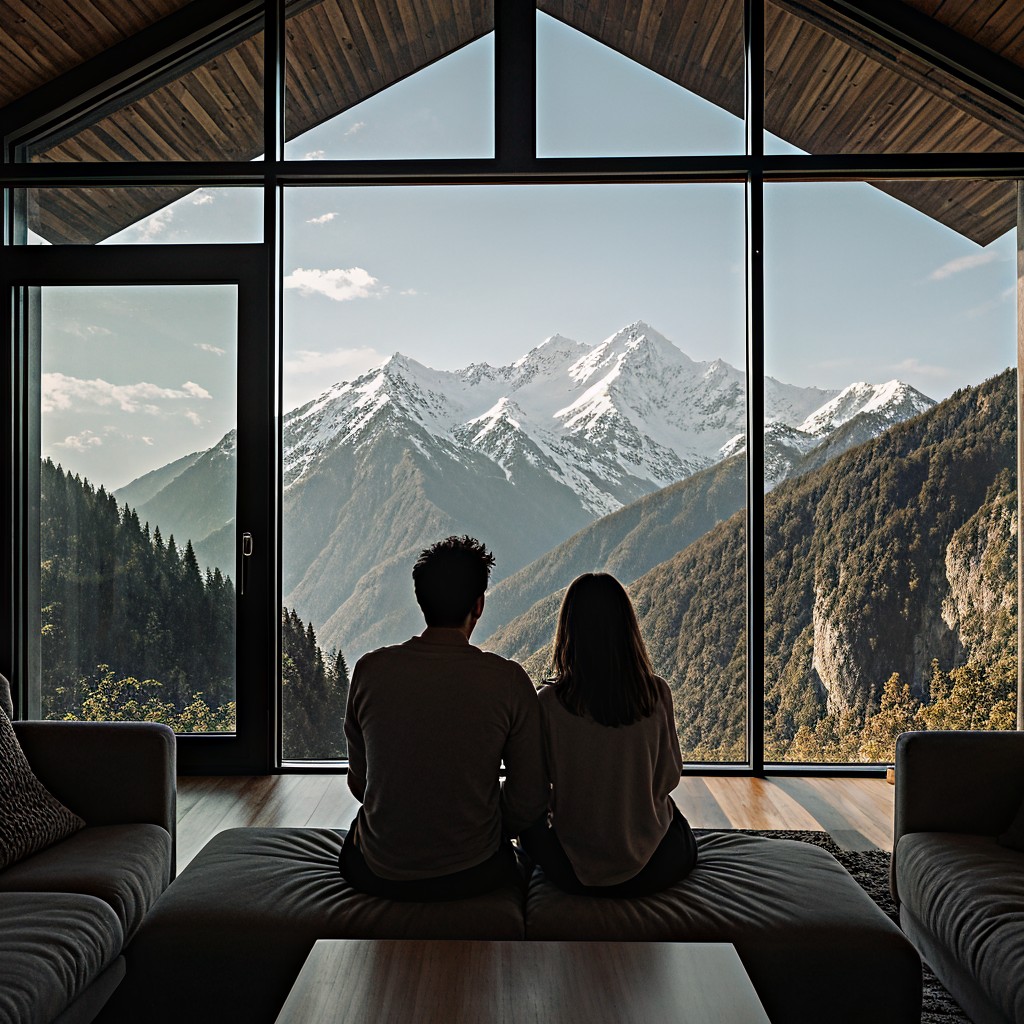
Home Showings and Open Houses Etiquette Guide.
Home showings and open houses come with their own set of unwritten etiquette rules to ensure a smooth and respectful experience for buyers, sellers, and agents. Here’s a breakdown of the key expectations:
For Buyers:
1. Be On Time (or Communicate Delays)
If you’re late or need to cancel, notify the agent as soon as possible.
Arriving too early can inconvenience sellers still preparing the home.
2. Remove Shoes or Follow Instructions
Many sellers request shoe removal to protect floors—check for signs or ask the agent.
Bring clean socks or shoe covers if you prefer not to go barefoot.
3. Don’t Touch Personal Belongings
Avoid opening drawers, cabinets (unless it’s a kitchen inspection), or personal items.
Respect the seller’s space—peeking into closets is expected, but don’t rifle through them.
4. Keep Comments Neutral
Negative remarks about the home’s decor or condition can be overheard (sellers or neighbors may be present).
Save critiques for private discussions with your agent.
5. Supervise Children & Pets
If kids come along, ensure they don’t run around or touch breakables.
Leave pets at home unless it’s a service animal.
6. Don’t Overstay Your Welcome
A typical showing lasts 15–30 minutes unless it’s a large property.
Lingering too long can delay other appointments.
7. Avoid Using the Bathroom
Unless it’s an emergency, wait until you leave—sellers may find it intrusive.
For Sellers:
1. Leave the Property
Most buyers feel uncomfortable with sellers present—it stifles honest feedback.
If you must stay, be unobtrusive and let the agent lead.
2. Prep the Home
Clean thoroughly, declutter, and ensure good lighting.
Avoid strong cooking smells or overpowering air fresheners.
3. Secure Valuables & Medications
Unfortunately, theft can happen—lock away jewelry, cash, and prescriptions.
4. Pets Should Be Gone or Contained
Even friendly pets can be a distraction or liability.
Following these unwritten rules ensures a positive experience for everyone involved. Happy house hunting!
Visit www.epcasabyowner.com and find your dream home in El Paso, TX.

Weather and Seasons Influence Home Sales Dynamics.
While most advice focuses on the basics—like spring being the "hot" season—there are deeper, often overlooked ways weather and seasons influence home sales. Here’s a breakdown of the less-discussed dynamics:
1. Psychological Triggers Beyond "Curb Appeal"
• Seasonal Affective Buying: In colder climates, shorter days and gray skies can make buyers more impulsive—they’re eager to secure a home before winter worsens. Conversely, sunny weather makes buyers more patient and picky.
• "Cozy Factor" in Winter: Homes with fireplaces, warm lighting, and heated floors sell better in winter because buyers emotionally respond to comfort cues.
• Summer FOMO: Buyers with kids panic in late summer, fearing they’ll miss school enrollment deadlines, leading to rushed offers.
2. Weather’s Hidden Impact on Pricing & Perception
• Rain = Lower Perceived Value: Studies show homes listed during prolonged rainy periods sell for 1-2% less—buyers subconsciously associate bad weather with flaws (even if the house is perfect).
• Snow Cover’s Illusion: A light snowfall can hide landscaping flaws, but heavy snow makes buyers worry about roof stress, ice dams, and heating costs.
• Extreme Heat = Lower Foot Traffic: When temps soar above 90°F (32°C), open house attendance drops sharply—buyers don’t want to sweat while house hunting.
3. Seasonal Market Gaps Savvy Buyers/Sellers Exploit
• Post-Holiday "Motivated Seller" Window (Jan-Feb): Sellers listing in deep winter are often relocating for jobs or distressed, leading to more negotiable prices.
• Late Fall "Shadow Inventory": Some agents hold back listings in autumn expecting a spring boom, but buyers still looking in November face less competition.
• "Shoulder Season" Opportunities (Late Spring/Early Fall): Markets briefly cool between peak seasons, creating a sweet spot for fewer bidding wars but still decent inventory.
4. Climate Change’s Emerging Influence
• Buyer Migration Patterns: Rising temperatures are shifting demand—more retirees skip Florida for cooler Appalachia, while northern buyers eye Canada.
• Insurance & Mortgage Risks: After wildfires/hurricanes, lenders tighten requirements in vulnerable areas, slowing sales even in unaffected nearby markets.
• "Drought Stigma": In arid regions, brown lawns (due to water restrictions) can cut offers by 3-5%, as buyers fear future scarcity.
5. Micro-Weather Events That Move Markets
• Early Thaw Effect: An unusually warm March can jumpstart sales 2-3 weeks early, catching unprepared sellers off-guard.
• Hurricane Hangover: Coastal areas see a 10-15% sales dip for 3-6 months post-storm, even if no damage occurred—buyers get spooked.
• Pollen Season Slowdown: In high-allergy zones (e.g., Atlanta, Austin), open house traffic drops when pollen counts peak—sellers who power-wash driveways see better results.
Tactical Takeaways for Buyers & Sellers
• For Sellers:
o List just before peak season (e.g., late winter for spring) to capture early-bird buyers.
o If selling in summer, stage the backyard at dusk (fire pits, string lights) to maximize emotional appeal.
• For Buyers:
o Tour homes during mild rain to spot leaks/drainage issues most miss.
o Target holiday-adjacent weeks (e.g., July 5th, December 26th) when competition is lowest.
Weather and seasons don’t just affect when people buy—they shape how they perceive value, risk, and urgency in ways most never consider. The best strategies leverage these hidden triggers.
Visit www.epcasabyowner.com and find your dream home any season in El Paso, TX.